


Install our App to get easy Access toBuy, Link, Renew, Claim and More
Get


Health Insurance for Type 1 Diabetes: What You Need to Know

Date: Sep 11, 2024 - Last Modified Mar 27, 2026


Health insurance for Type 1 diabetes can help cover the costs of regular medical check-ups, insulin, and other essential treatments, ensuring that patients can manage their condition effectively without financial strain
Type 1 diabetes is a chronic condition that requires lifelong management and care. Comprehensive health insurance is not just a necessity but a lifeline for individuals with this condition. In this article, we will delve into the crucial information you need to know about health insurance for Type 1 diabetes, including why you should opt for it, its features, and the benefits it offers.
Additionally, it's worth noting that SBI General Insurance offers specialized cancer insurance plans that provide comprehensive coverage and financial support during cancer treatment. This highlights the importance of having tailored insurance plans for specific health conditions, ensuring that individuals receive the necessary support during challenging times.
Why Should You Opt For Health Insurance With Diabetes Cover?
Opting for health insurance with diabetes coverage is crucial for several reasons:
- Financial Protection: Managing Type 1 diabetes involves regular medical expenses, including doctor visits, insulin, and other medications. Health insurance for diabetics helps mitigate these costs, providing financial protection.
- Access to Quality Care: With health insurance for diabetic patients, individuals can access a network of healthcare providers and facilities, ensuring they receive quality care and treatment.
- Peace of Mind: Knowing that you have coverage for your medical needs can provide peace of mind, allowing you to focus on managing your health without worrying about financial burdens.
Features Of Health Insurance With Diabetes Cover
Diabetes health insurance plans come with several features tailored to meet the specific needs of individuals with Type 1 diabetes:
- Coverage for Pre-Existing Conditions: These plans typically cover pre-existing conditions, including diabetes, starting or after a specified waiting period.
- Regular Health Check-Ups: Regular health check-ups are essential for managing diabetes. Health insurance for Type 1 diabetes plans often includes coverage for routine check-ups and diagnostic tests.
- Hospitalization and Medical Procedures Related to Diabetes: These plans provide coverage for the associated costs of hospitalization or medical procedures related to diabetes.
- Cashless Hospitalization: Many diabetes health insurance plans offer cashless hospitalization, allowing policyholders to receive treatment without paying upfront. The insurance company settles the bill directly with the hospital.
- No Claim Bonus: Policyholders can benefit from a no-claim bonus, which rewards them for not making any claims during a policy year. This bonus can be a discount on premiums or an increase in the sum insured.
- Waiting Period: Health insurance plans for diabetic patients may have a waiting period before coverage for pre-existing conditions, including diabetes, begins. It's essential to understand the waiting period specified in your policy.
- Tax Benefits: Premiums paid for health insurance for diabetics plans are eligible for tax deductions under Section 80D of the Income Tax Act, providing financial relief.
Eligibility For Health Insurance With Diabetes Cover
Eligibility criteria for health insurance coverage for Type 1 diabetes can vary between insurance providers. Generally, individuals with Type 1 diabetes are eligible for these plans, but the terms and conditions may differ. Reviewing the eligibility criteria and policy details before purchasing a plan is essential.
Exclusions Under Health Insurance With Diabetes Cover
While health insurance for diabetics plans offers comprehensive coverage, there are specific exclusions to be aware of:
- Cosmetic Procedures: Treatments or procedures that are cosmetic are typically not covered.
- Experimental Treatments: The policy may not cover experimental or unproven treatments.
- Non-Medical Expenses: Transportation, food, and accommodation during hospitalization are generally not covered.
- Self-Inflicted Injuries: Injuries or conditions resulting from self-harm or substance abuse are excluded from coverage.
Conclusion
Health insurance for Type 1 diabetes is essential for managing the condition effectively and ensuring financial protection. By opting for comprehensive health insurance for diabetics, individuals can access quality care, regular check-ups, and necessary treatments without the burden of high medical costs. Understanding these plans' features, benefits, and exclusions is crucial for making an informed decision.
In addition to diabetes-specific health insurance for diabetic patients, it's essential to consider other specialized insurance plans, such as SBI General's cancer insurance. These plans provide comprehensive coverage and financial support during critical illnesses, highlighting the importance of tailored insurance solutions for different health conditions. By staying informed and choosing the right insurance plans, individuals can safeguard their health and well-being, ensuring a better quality of life.
Choosing the best diabetes health insurance can further enhance this protection. The best health insurance policies for Type 1 diabetes are designed to cater to the specific needs of individuals with Type 1 diabetes, offering comprehensive coverage and benefits. Ensuring you have the best health insurance for diabetics can make a significant difference in managing your condition effectively.
Disclaimer: The above information is indicative in nature. For more details on the risk factor, terms and conditions, please refer to the Sales Brochure and Policy Wordings carefully before concluding a sale.
This blog is intended solely for educational and informational purposes. Content reflects data at time of publication and may not accurately reflect current premiums, terms, or regulations. Readers are encouraged to confirm the accuracy and relevance of the data before making any significant decisions. SBI General Insurance disclaims responsibility for any errors or consequences arising from the use of outdated information provided herein. For more details, please refer to the policy wordings and prospectus before concluding the sales. *Add-ons are subject to payment of additional premium.
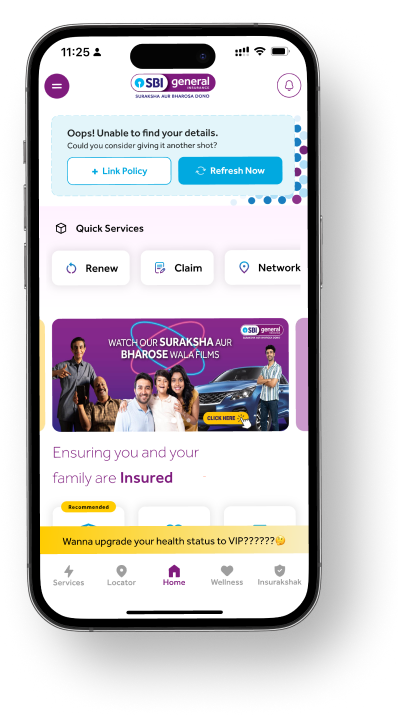
Access and manage all your Insurance Needs in one place, right at your Fingertips.






4/5*
Access and manage all your Insurance Needs in one place, right at your Fingertips.


Vision
Our vision is to become the most trusted general insurer for a transforming India.
Mission
Our mission is to provide simple and innovative general insurance solutions, be responsive to our customers' needs and build a sustainable business for the future.
We're socially active!


